Industrial BLE: Mesh, RF Testing, Antennas and Certification
From Provisioning and Friend Node to Qualification, CE and FCC, learn about RF testing, antenna design, matching network and RSSI calibration for commercial product.
Contents
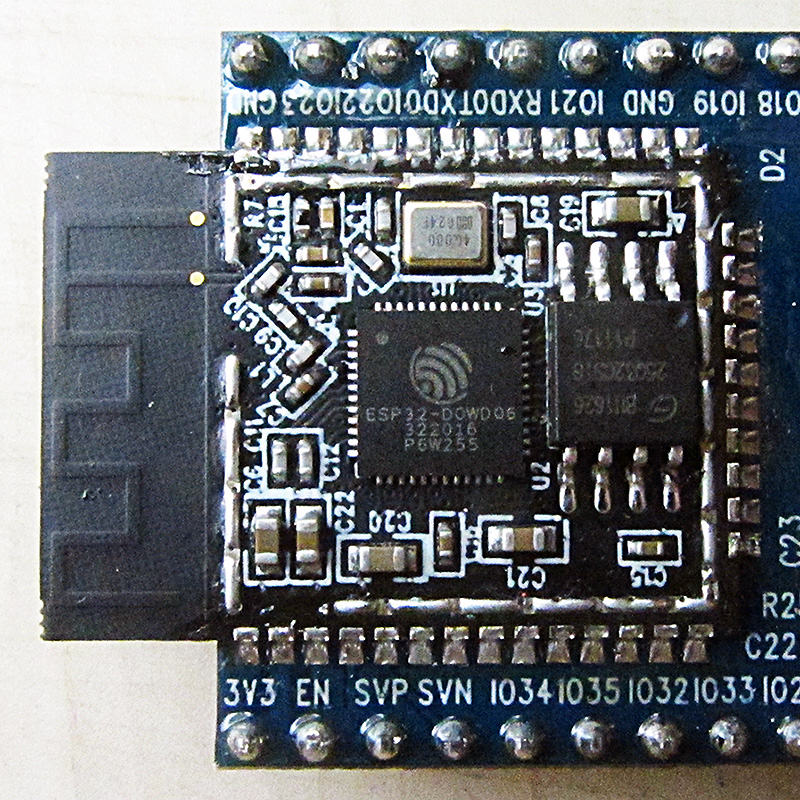

The industrial product is not just used firmware. The antenna must be tested inside the frame and next to the battery, the legal route of using Bluetooth must be checked, and the product must pass the radio regulations of the target market. This program must enter the schedule before the final PCB.
Industrial mesh
Provisioning imports network identities and keys. Relay replays the message, Proxy makes communication with GATT Client possible, and Friend keeps the message for Low Power Node. Enabling all features on all nodes creates congestion and consumption; Select the role of each node from the topology.
Qualification and regulations
Using a reference design or approved module simplifies the path but does not remove responsibility for the final product. Bluetooth Qualification is not the same as CE, FCC or other market radio requirements. Involve the target market's laboratory and regulatory advisor prior to production.
Antenna Design and Matching
The keepout area of the antenna should be kept away from copper, batteries, cables and inappropriate frames. The RF path should be short and controlled. Matching network is not a place for random modification; With the appropriate VNA and fixture, measure S11 and impedance on the assembled product and inside the frame.
RF and RSSI test
Output power, sensitivity, frequency error and unwanted emission are measured under defined conditions. The RSSI of each chip and board has an Offset; For relative application, it can be calibrated with reference and multiple signal levels. Do not convert RSSI to exact distance unless you accept environmental model and uncertainty.
Pre-Final PCB Checklist
Specify module or SoC, Antenna, Stack and Qualification path; Put the Keepout and Connector RF test; Measure the sample inside the frame with the final battery; Perform pre-scan EMC and Range test; Then lock the production file and factory test program.
A good S11 alone is not a good antenna or confirmation
VNA and S11 measurements provide information about antenna input matching; A casualty load may have an apparently good match but not radiate well. For the product, radiation power, reception sensitivity and behavior inside the frame and in different directions should also be evaluated.
Fixture, ground plane, test cable and calibration location affect the result. Do not copy the value of matching parts from another picture board. Take the blank antenna range and feed design from the detailed documentation of the same module or reference design.
Bluetooth Qualification and meeting the radio requirements of the target market are two separate paths. This article is an educational listing of decisions and does not represent the issuance of approval or acceptance of a product.
Question and answer article
Ask your technical question
Questions and answers are published after moderation. Authors can see their own pending drafts.
No confirmed questions have been registered for this article yet.