BLE for Beginners: Fundamentals and Wireless Comparisons
What is Bluetooth Low Energy, why was it created, and when should we choose it over Bluetooth Classic, Wi-Fi, Zigbee, NFC, or LoRa?
Contents
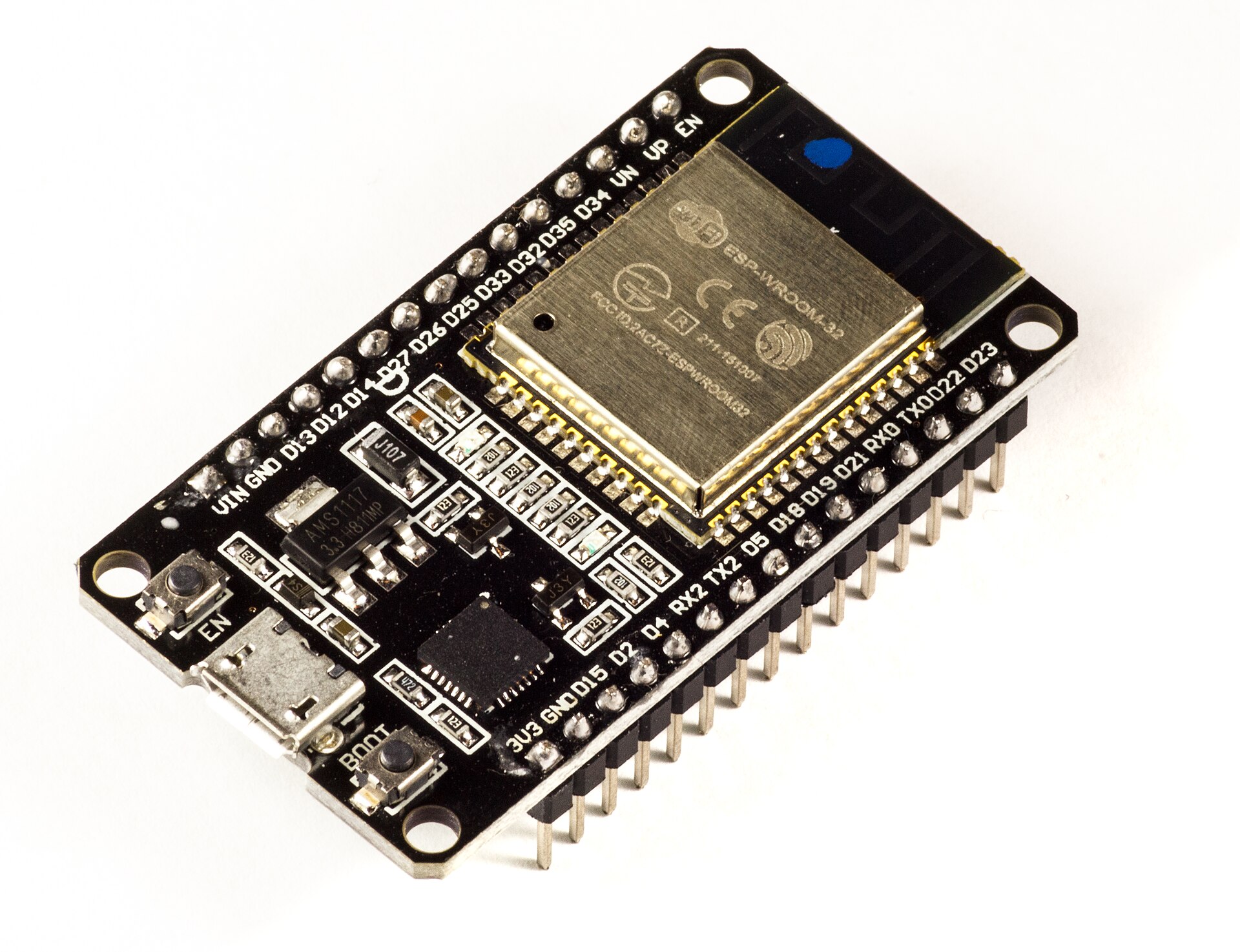

BLE or Bluetooth Low Energy is a branch of the Bluetooth family designed for low-power devices, sensors, wearables, and battery-consuming products. The purpose of this step is to get a good picture of the problem and know what BLE does well and what it doesn't do well before getting into the packet and coding.
From Bluetooth Classic to BLE
Bluetooth Classic is suitable for continuous communication such as voice and relatively large data transfer. BLE entered the Bluetooth specification from version 4.0, and instead of keeping the radio on all the time, it spends most of its time sleeping and advertising or exchanging data in short intervals. Versions 4.2 and 5 family added features such as larger packet, the 2M PHY, longer range with LE Coded and extended advertising. The version number alone is not enough; You should also check the chip and software stack capabilities table.
Compare BLE with what technology?
Wi-Fi is better for high bandwidth and direct connection to an IP network, but it usually uses more power. Zigbee is suitable for multi-node low power mesh network. NFC provides a very short range and close proximity experience for devices. LoRa sends small data over long distances. UART and USB are not wireless, but are still important for debugging, programming, and reliable local connectivity. The right choice starts with the need of the product, not the name of the technology.
Five simple criteria for selection
Write five questions for each project: How much data per second do you have? What is the maximum acceptable delay? How many months or years should the device work with the battery? What is the distance and medium of diffusion? Is the connection point-to-point or multi-node? BLE is a great option for short messaging, proximity detection, mobile connectivity, and low power consumption; Not usually suitable for continuous video; Firmware file transfer is possible with proper design and its time and consumption should be measured.
Tangible example
Suppose a thermometer sends only temperature and humidity every 10 seconds. This data may be less than 10 bytes and the radio does not need to be always on; BLE is suitable. But the camera needs to send a few megabits of data continuously, so Wi-Fi makes more sense. This simple comparison prevents many wrong choices at the beginning of the project.
Decision making exercise
Write three products "battery-eating thermometer", "wireless speaker" and "surveillance camera" on paper. Specify data volume, latency, range and power supply for each. Then write the reason for choosing BLE, Classic or Wi-Fi in one sentence.
Choosing a technology with a specific data contract
For a thermometer, first write the contract: two temperature and humidity numbers, a validity status and a sample number; be sent to the phone every 10 seconds. This requirement is different from continuous video transmission. Test the choice of technology with the same contract and real power of the board.
| the need | Checkable option | Important condition |
|---|---|---|
| Low data sensor and phone connection | BLE / GATT | Measure rate, latency and mobile support. |
| sound | Bluetooth Classic or LE Audio | LE Audio requires proprietary features such as LE Isochronous and Compatible Profile; Not every BLE chip supports it. |
| Video or direct IP connection | Wi-Fi | Check bandwidth and power budget at the same time. |
| Sending firmware file from close distance | BLE is also possible | Design the duration of transfer, interruption and continuation and validity of the image; "Large file" is not an inherent prohibition of BLE. |
BLE is not always asleep; Continuous scanning or high transmission rates can increase consumption. Also, the Bluetooth version number alone does not prove the presence of LE Audio, Coded PHY, or other features.
Question and answer article
Ask your technical question
Questions and answers are published after moderation. Authors can see their own pending drafts.
No confirmed questions have been registered for this article yet.