BLE Physical Layer: Frequencies, Channels and PHYs
Learn about the 2.4 GHz band, 40 BLE channels, GFSK modulation, 1M and 2M and LE Coded modes and the role of Channel Hopping.
Contents
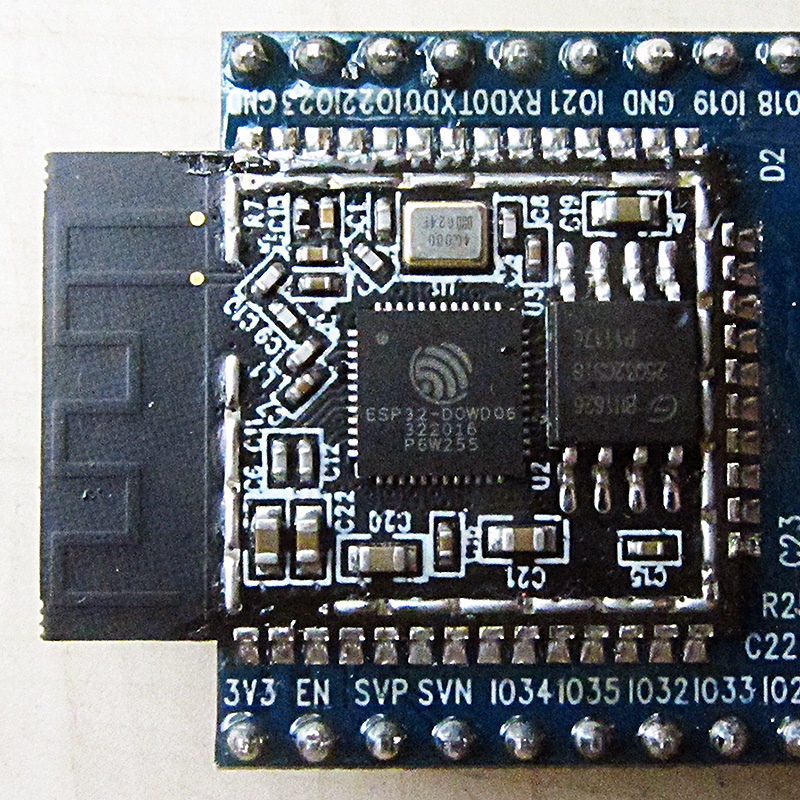

Each BLE bit is eventually converted to a radio wave in the 2.4 GHz band. Knowing the physical layer helps to understand the cause of range loss, Wi-Fi interference, difference in speeds and antenna effect, and not to choose radio settings blindly.
2.4 GHz band and 40 channels
BLE works in the free ISM band and has 40 channels spaced at 2 MHz. The three main channels 37, 38 and 39 are used for primary advertising and are spread so that the probability of simultaneous collisions with common Wi-Fi channels is reduced. Another 37 channels are used for data exchange in the connection.
GFSK and PHY concept
In GFSK, information is transmitted by controlled variation of the carrier frequency. A Gaussian filter narrows the spectrum to allow less energy to leak into adjacent channels. PHY is not just nominal speed; The encoding method also changes the sensitivity of the receiver, the time on air and thus the energy consumption.
1M, 2M and LE Coded
The LE 1M is the universal and compatible choice. LE 2M reduces the time to send a fixed amount of data and increases the throughput in the right conditions, but its sensitivity and range are usually less than 1M. LE Coded with more redundancy allows receiving in weaker signal; Instead, the time on the air and the consumption of each message increases.
Why is Channel Hopping important?
In a connection, the data channel does not remain fixed. Two devices are switched between allowed channels based on a common algorithm, and inappropriate channels can be excluded from the Channel Map. This behavior increases the resistance of the connection to Wi-Fi, noise and multipath fading, but does not replace proper antenna design and RF testing.
PHY selection example
Start at 1M for a sensor in a typical room. If the data volume is high and RSSI is suitable, try 2M. If the board is prioritized, enable Coded PHY and measure the average transmission time and consumption again. Record the result by number, not by visual impression.
Map channels and PHY rate difference with useful data
| Primary advertising channel | Center frequency |
|---|---|
| 37 | 2402 MHz |
| 38 | 2426 MHz |
| 39 | 2480 MHz |
These three channels are the primary advertising channels. Enhanced advertising can continue on secondary channels; Therefore, all advertising packages are not necessarily on these three channels.
In common modes, LE 1M and LE 2M have physical rates of 1 and 2 Mbps. In LE Coded, coding S=2 and S=8 gives a nominal data rate of 500 and 125 kbps, respectively. Packet overhead, waiting times, and retransmissions lower the useful rate of the application. These rates are not a result of your range test or a guarantee of connection range.
Question and answer article
Ask your technical question
Questions and answers are published after moderation. Authors can see their own pending drafts.
No confirmed questions have been registered for this article yet.