From development board to robot: Raspberry Pi and physical AI
A new report looks at teams using accessible boards to prototype robotics, machine vision and intelligent devices.
What happened?
On 16 October, Raspberry Pi published a report about Founders, Inc., where hardware teams build robotics and AI prototypes. The account presents ready-made boards as a shorter route from an idea to a demonstrable system.
Physical AI, in plain language
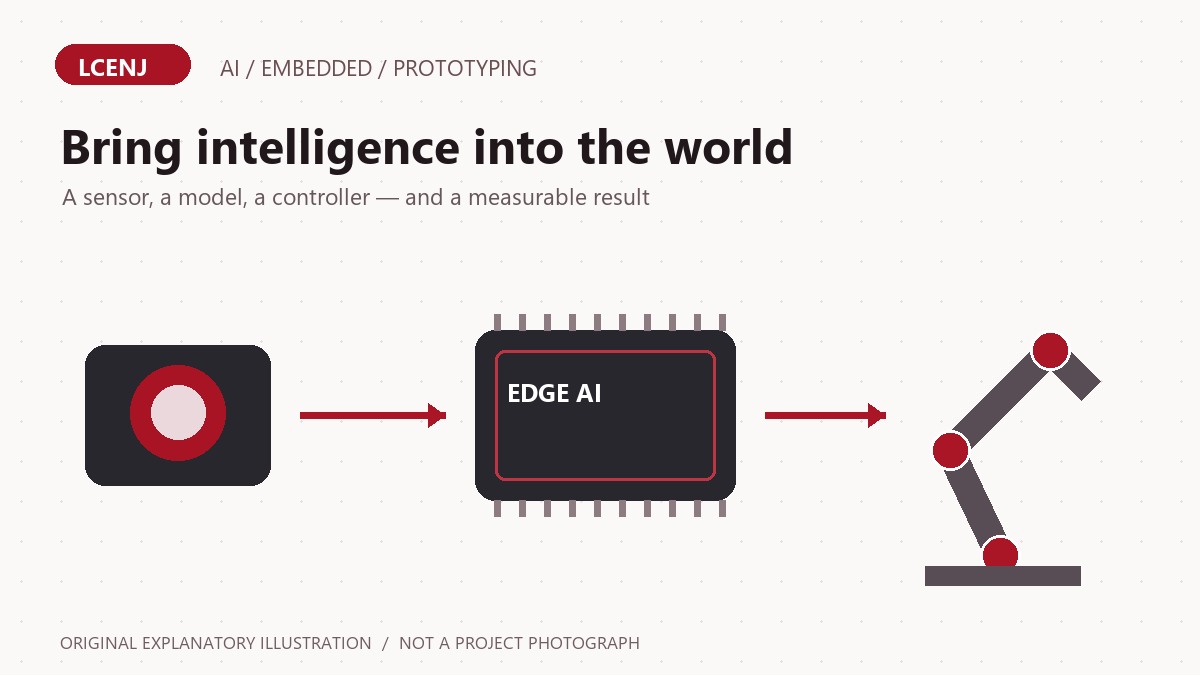
Software output can influence a device in the real world. Editorial perspective: sensing, a model and a controller form an interesting meeting point between embedded engineering and AI. A small learning exercise could detect one condition and show the result on a display.
A practical takeaway
This is an account of teams’ experience, not an independent product benchmark or a guarantee of commercial success. Our suggestion is to choose one small problem, define a success metric and test it with an accessible board.
A working desk prototype is a starting point. Power, heat, reliability and real operating conditions still need evaluation, especially when a software decision produces physical motion.